kakobuy Waterproof Shoe Claims: Page Specs, Photos, Limits

A product page claiming "waterproof" doesn't mean the shoes can handle prolonged water exposure, heavy rain commutes, or completely prevent water entry. What you really need to verify is: what exactly does the page promise, what information has visible backing, and whether that evidence is sufficient for your intended use. 🌧️
This article is for buyers who plan to look for shoes through kakobuy but aren't sure if the waterproof claims are reliable. After reading, you should be able to compile the page evidence and decide whether to keep a candidate, keep digging, or hold off. This article doesn't replace official test reports, and it doesn't present observations from product photos as actual wear or hands-on test results.
Pin Down the Waterproof Claim and Your Use Case
First, break down "waterproof" into specific questions instead of accepting a vague label:
- Does the page specify waterproof materials, coatings, or treatments for the upper?
- Could the collar, tongue, and seams be potential water entry points?
- Does the page say waterproof, water-repellent, or just suitable for everyday use?
- Does it state test conditions, duration, water depth, or suitable environments?
- Is your scenario brief light rain, extended walking, or wet pavement?
Brief rain protection and sustained wading are different requirements. If the page doesn't define the limits, don't interpret a weaker claim as all-weather capability.
What Specs to Record First on a kakobuy Product Page
Open the official visible page and record exactly what it states—don't just save the title or a promo blurb. It's best to organize as follows:
- The shoe category and primary use shown on the page.
- Whether material fields for upper, lining, outsole, etc. are complete.
- Whether terms like waterproof, water-resistant, repellent, or similar appear.
- Whether the waterproof treatment is described for the upper, the sole, or the whole shoe.
- Whether sizing, color, stock, seller, or shipping info is provided.
- Whether page images show upper construction, collar, tongue, and seams.
- Whether the page provides test standards, test conditions, or care instructions.
Volatile information like stock, price, seller, shipping, and page availability should be rechecked when you're ready to order, and note the check date. If page info changes, an old screenshot doesn't automatically prove the current state.
How to View Upper, Collar, and Seam Evidence Separately
Waterproofing can't be judged by the upper alone. Photo evidence should be divided into at least three areas:
- Upper: See if the page clearly shows material structure, overlays, or fabric surface. Gloss, color, or texture alone can't confirm performance.
- Collar: Look at the collar, tongue, and ankle area for obvious openings. Even if the upper has some water repellency, water can still get in through the collar.
- Seams: Look at stitching, tongue attachment, and bottom bonding. Photos can help locate potential risks but can't prove seams are sealed.
If images only show appearance without enough detail, write the conclusion as "the page doesn't provide sufficient visible evidence" rather than "the shoes are definitely not waterproof." This avoids turning missing evidence into a reversed conclusion. 🔍
Avoid Confusing Waterproof, Water-Repellent, and Drainage Descriptions
"Waterproof" typically means preventing water from entering; "water-repellent" is more about handling brief, small amounts of water; "drainage" may describe sole structure or water evacuation. They solve different problems and aren't interchangeable.
Use more conservative interpretations:
- Page only says water-repellent: understand it as limited short-term protection.
- Page says waterproof but no materials, tests, or conditions: record as an unverified claim.
- Page provides materials and test conditions: judge based on those specific conditions, not extended to uncovered environments.
- Page only shows waterproof-looking visuals or water droplet photos: treat as visual display, not proof of performance.
The harsher the use case, the more specific the evidence needed. Brief light rain can accept lower-level page evidence; prolonged heavy rain, wading, or outdoor activities require clearer material and test information. ☔
Recheck Order When Page Text and Images Conflict
When text claims waterproof but images show an open tongue, obvious mesh, or unexplained seam construction, don't immediately pick one side. Recheck in this order:
- Confirm whether the images and text are for the same page and same style.
- Check if different colors, versions, or sizes cause structural differences.
- Look for complete descriptions of materials, treatments, and use conditions on the page.
- See if there are official specs, care instructions, or test basis.
- If key facts are still missing, lower the strength of your judgment and keep the doubt.
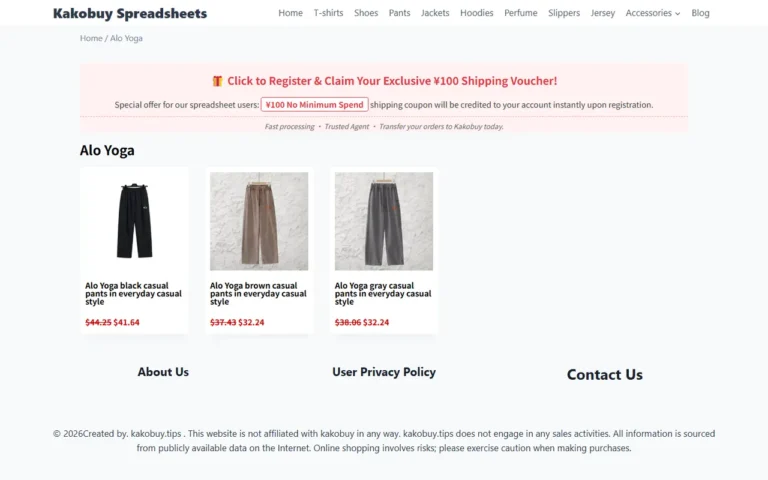
Visible category screenshots on this site only show that the site has relevant shoe categories and page displays; they don't prove the waterproof performance, stock, or real-world effectiveness of any specific shoe. So images should serve as locational evidence, not test results.
How to Reduce Judgment Strength When Materials or Test Basis Are Missing
When evidence is lacking, you can use three tiers of conclusion:
- Sufficient info: clear materials, treatment, or test conditions that match the current style.
- Limited info: waterproof or water-repellent wording, but missing key conditions.
- Insufficient info: only promo words or appearance photos; can't confirm specific performance.
The second and third tiers don't mean the product definitely can't be used in rain, but that the buyer can't confirm a higher-level promise from the current page. In this case, avoid paying an extra premium and don't treat "looks suitable for rain" as a reliable basis.
Pre-Purchase Shoe Claim Verification Checklist
Confirm each item before ordering:
- Have I clearly defined my primary use scenario?
- Does the page distinguish waterproof, water-repellent, and drainage?
- Have I checked upper, collar, and seams separately?
- Are materials and test conditions visibly described?
- Do images and text correspond to the same style?
- Are price, stock, seller, shipping, and page status rechecked today?
- Does the page explain after-sales, returns, or quality dispute terms?
- Is the current evidence sufficient for my risk tolerance?
It's recommended to save page screenshots or record the check date, but screenshots should cover personal information like order number, address, phone, and payment details. Screenshots only prove what the page displayed at the time; they don't replace product testing or after-sales determination.
Final Decision: Keep Candidate, Dig Deeper, or Hold Off
If the page has clear materials and applicable conditions that match your use case, you can keep the candidate; if there's only a generic waterproof word but the shoe has other strengths, keep looking for more complete official specs; if you need prolonged heavy rain use and the page has no test basis, seam description, or after-sales boundary, you should hold off.
This verification method won't directly save a fixed amount of money, but it can reduce returns, repurchases, and shipping costs caused by misreading waterproof claims. The cost is the time needed to record specs, compare images, and confirm page status. It suits buyers who care about usage boundaries and are willing to check info before ordering; it's not for those who treat the word "waterproof" as an unconditional guarantee, or expect the page to bear all weather and usage risks for them.