Evaluating kakobuy Eyewear Cases: Hard Shell and Storage
An eyewear case may seem like a small accessory, but what truly needs to be judged isn't its appearance—it's whether it can handle daily storage tasks: fitting your target glasses, minimizing the chance of lenses and frames getting squeezed, and maintaining acceptable portability during commutes, travel, or desktop storage. When evaluating, start by defining the use scenario, then cross-check the page evidence, and finally record confirmed facts separately from unknowns.
Clarify the storage task an eyewear case evaluation must address
Before comparing, write down the specific task rather than deciding based on looks. Are you protecting regular prescription glasses, sunglasses, or larger lenses? Will the case mainly live in a backpack, suitcase, desk, or pocket? Does the user prioritize crush resistance, lightness, quick opening, or interior space?
After reviewing the page, the ideal outcome is to complete these actions: confirm whether the page provides enough structural information; list verifiable protection features; mark any size, material, and closure details that need follow-up; and keep candidates when evidence is insufficient, rather than treating unknowns as advantages.
If the use scenario involves high-intensity compression, transporting precision equipment, frequent use by children, or requires explicit waterproof, fireproof, or drop ratings, a typical product page alone is usually insufficient to draw conclusions. Hold off judgment and seek more complete specifications or test data. 🔍
What structural information to check on the kakobuy product page
Page checks should focus on observable, re-checkable fields. Prioritize the product name, dimensions, materials, internal structure, closure method, image details, and any limitations in the description. For each item, distinguish between "explicitly stated on the page" and "inferred from images."
You can use the following recording method:
- Product name: Record only the name explicitly shown on the page; don't add categories or uses on your own.
- External structure: Check whether it explicitly states hard shell, soft pouch, frame, or another structure type.
- Closure method: Record zipper, snap, magnetic, flap, or not specified; don't interpret stitching in images as a specific function.
- Interior space: Look for text or clear image evidence of lining, dividers, straps, or other protective structures.
- Dimensions: Record length, width, height, and units; if dimensions are missing, don't substitute common eyeglass sizes.
- Material information: Keep only materials explicitly stated on the page; don't guess based on gloss, texture, or color.
- Usage limitations: Record whether the page states applicable range, capacity limits, or unsuitable situations.
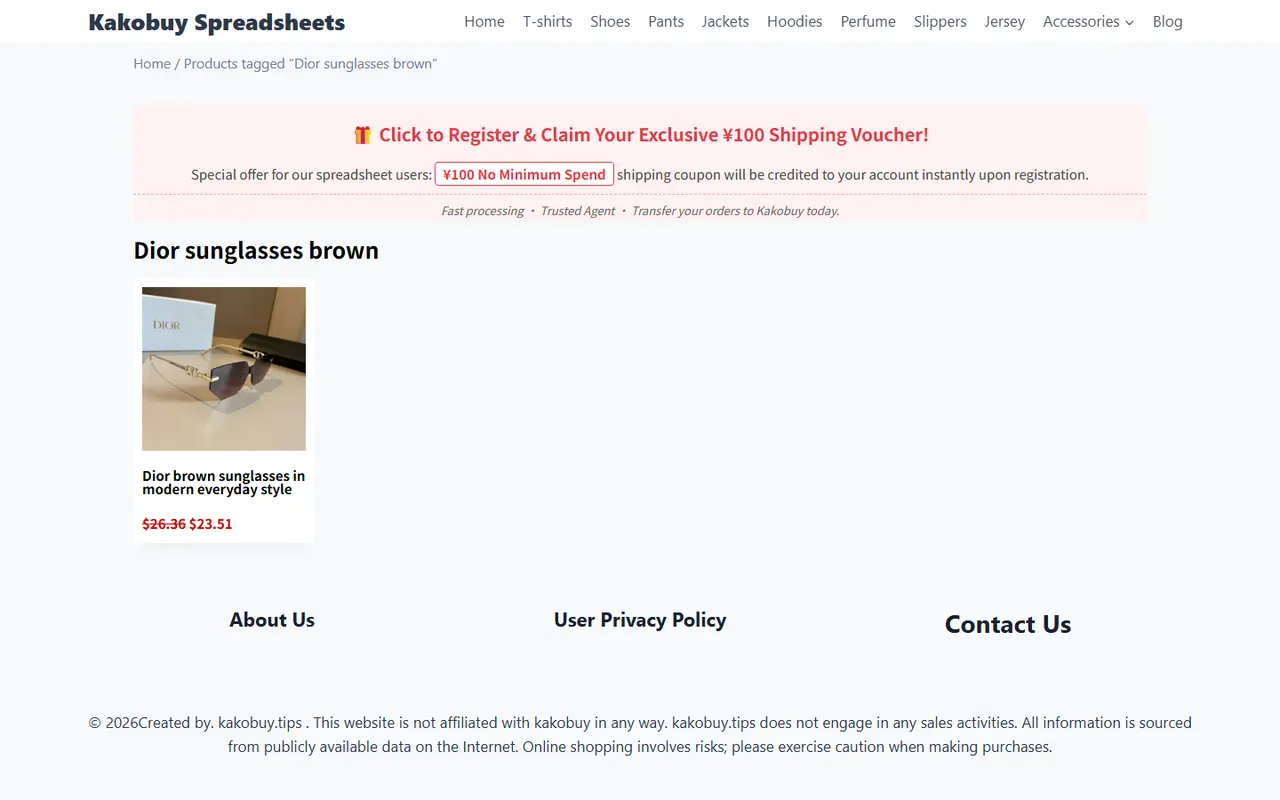
If the page only has category titles, brief descriptions, or a single exterior image, the evidence strength should be marked as limited. Catalog pages can help discover candidates but cannot automatically prove protection, durability, or fit for all glasses. 📋
How to build comparison standards for hard shells, soft pouches, and closure methods
Hard shells and soft pouches are structural categories first, not quality conclusions. Hard shells usually allow clearer crush-resistance discussion, but the page still needs to provide shell structure, closed-state details, or relevant specs to support more specific judgments. Soft pouches may be lighter and easier to slip into tight spaces, but whether they have cushioning layers, internal support, and sufficient thickness cannot be determined by appearance alone.
Closure methods should also be broken into several questions: Is it easy to operate with one hand? Does it open on its own after closing? Is the opening large enough to insert the target glasses? Could the closure mechanism scratch the frame? If the page doesn't show closed state, interior edges, or usage angles, these items should remain as "to verify" rather than assumed convenient or safe.
When comparing, use a consistent four-level record:
- Confirmed: Page text or clear images directly support the judgment.
- Partially confirmed: Page provides relevant clues, but key dimensions, structure, or usage conditions are missing.
- Speculative only: Can only be inferred from appearance or common design; cannot serve as a purchase basis.
- Not provided: Page has no relevant information.
This standard avoids turning adjectives like "looks sturdy" or "seems soft" into unproven performance conclusions. ✅
How to separately judge interior space, lens protection, and portability
Interior space determines whether the target glasses fit and whether lenses touch the shell. Evaluate length, width, height, internal contours, and any securing structures separately. External dimensions don't equal usable interior space; when the page lacks internal dimensions, don't use external dimensions to judge fit.
Lens protection requires attention to contact surfaces and compression paths. If the page shows lining, dividers, or straps, that only indicates these visible structures exist; whether they suffice for backpack compression, drops, or long-distance transport still needs more specs, testing, or actual verification. Don't write words like "scratch-resistant," "crush-proof," or "shock-proof" into conclusions unless the page explicitly provides corresponding evidence.
Portability isn't just weight. Also consider whether the shape easily fits into common bags, whether opening/closing requires much space, and whether increased interior capacity leads to larger volume. For those frequently on the move, smaller size may matter more; for those carrying multiple pairs, space and dividers may be higher priority. The final choice depends on the task, not a single attribute. 🧳
What images and specs can and cannot prove
Product images are good for confirming silhouette, closure form, visible lining, divider positions, and display angles. Spec text is good for confirming dimensions, materials, capacity, and features the page actively claims. When combined, conclusions should still be limited to the evidence scope.
Images alone cannot prove:
- Actual crush strength and drop performance.
- Long-term durability of hinges, zippers, or magnets.
- Real thickness, hardness, and odor of materials.
- Whether interior space fits all eyeglass sizes.
- Whether waterproof, dustproof, or scratch-resistant performance reaches a certain rating.
- That the displayed structure will be consistent on the actual received item.
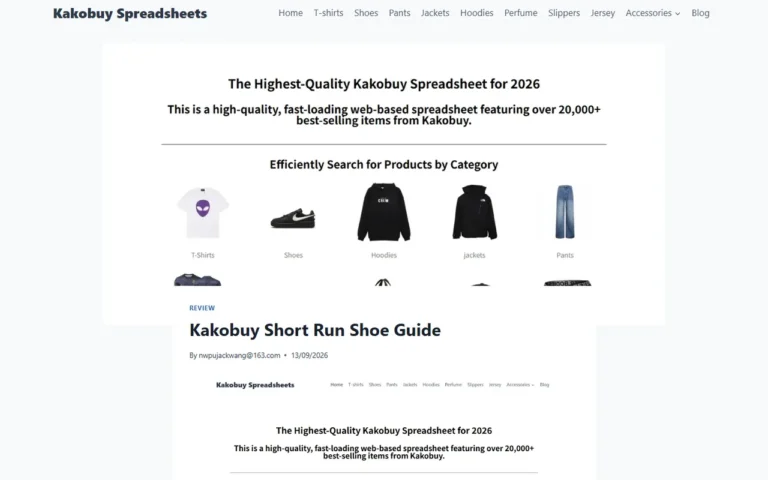
If the page includes catalog screenshots, treat them only as records of page content; don't convert categories, promotional language, or visual layout in screenshots into product performance conclusions. Screenshots also don't equal official test reports, physical measurements, or receipt verification. 🖼️
How to preserve uncertainty when size, material, or protection descriptions are missing
Insufficient evidence doesn't mean the product is unsuitable; it just means the current page can't support stronger judgments. Write missing information as pending questions and rank by importance: first confirm whether target glasses fit, then closure and internal protection, and finally portability and long-term use.
If dimensions are missing, look for complete specs, internal dimensions, or clear scale references; if materials are missing, avoid guessing based on color and texture; if protection descriptions are missing, use "page does not state" rather than rewriting it as "provides basic protection."
For high-risk scenarios, set hold conditions: target glasses size not yet confirmed, page lacks internal structure info, closure state cannot be judged, or user explicitly needs crush resistance and waterproofing but page has no corresponding evidence. Preserving uncertainty makes later decisions reviewable, not a lowering of evaluation standards.
Pre-purchase eyewear case evidence checklist
Before ordering, check item by item:
- Have the actual storage objects and use scenarios been written down?
- Does the page provide external dimensions, ideally internal dimensions too?
- Is the closure method described in text or shown clearly in closed state?
- Are there visible cushioning, dividers, or securing structures inside?
- Does material information come from page text, not appearance guesses?
- Does the page clearly state capacity, applicable range, or limitations?
- Is there evidence for crush resistance, waterproofing, scratch resistance, etc.?
- Are key judgments relying on a single image or vague details?
- Are missing items listed as pending questions?
- As of the verification date, is the page content still visible and unchanged?
If only appearance info is available with no dimensions or internal structure, the safest action is usually to re-check the page rather than directly categorizing it as a hard-shell protective case or travel storage case.
Final action: keep candidate, re-check page, or hold selection
You can take three actions based on evidence completeness. When information is sufficient, dimensions and structure match the task, and there are no obvious limitations, keep the candidate and save the verification record. When appearance and basic structure are visible but dimensions, materials, or closure details are missing, re-check the page first. When the use scenario requires explicit crush resistance, waterproofing, or high-strength protection and the page lacks corresponding evidence, hold selection.
Savings cannot be calculated without page price and actual cost records, so don't fabricate savings numbers to force a conclusion. Similarly, choosing a smaller or simpler storage solution may save space and carrying burden but also increase lens contact, insufficient capacity, or compression risks; choosing a more structurally complete solution may increase volume and carrying cost but may better suit those needing extra protection.
This evaluation method is suitable for those who want to filter daily storage items based on page evidence. It is not a substitute for professional shipping packaging, medical device protection plans, or purchases with explicit protection rating requirements. Finally, keep page screenshots, verification date, and unresolved questions, and decide only after key facts are confirmed.